Tips for Recovering Quickly After Dental Procedures
Post-dental recovery does not have to be painful or stressful. After having a tooth extraction, root canal, dental implant or gum treatment, the correct aftercare plan will greatly enhance the recovery process and help you feel better. Patients usually find a dental clinic near me to get the expertise care, but effective recovery at home is essential for long-term oral health as well.
Why Proper Recovery Matters
Some dental procedures cause temporary sensitivity to your gums, teeth, and other tissues. Efficient aftercare can be used to reduce pain, avoid infection, and promote a quicker recovery. Failure to follow the instructions of recovery can cause complications like swelling, bleeding, or delayed healing. By taking the right measures, you can be able to quickly return to your normal life with greater ease and confidence.
The following are some practical and effective tips, which should help you to recover rapidly after dental procedures.
1. Follow Your Dentist’s Instructions
Every procedure has specific aftercare guidelines. Depending on your treatment, your dentist can prescribe medications, food restrictions or dental hygiene measures. These instructions should be followed to prevent complications and ensure healing.
2. Rest and Avoid Strenuous Activity
To recover, rest is necessary. Do not exercise or lift heavy within 24-48 hours of treatment. Keeping your head high while sleeping, can help to decrease swelling and bleeding. Patients who go to a dental clinic in near me for oral surgery are usually advised to rest during the first few days.
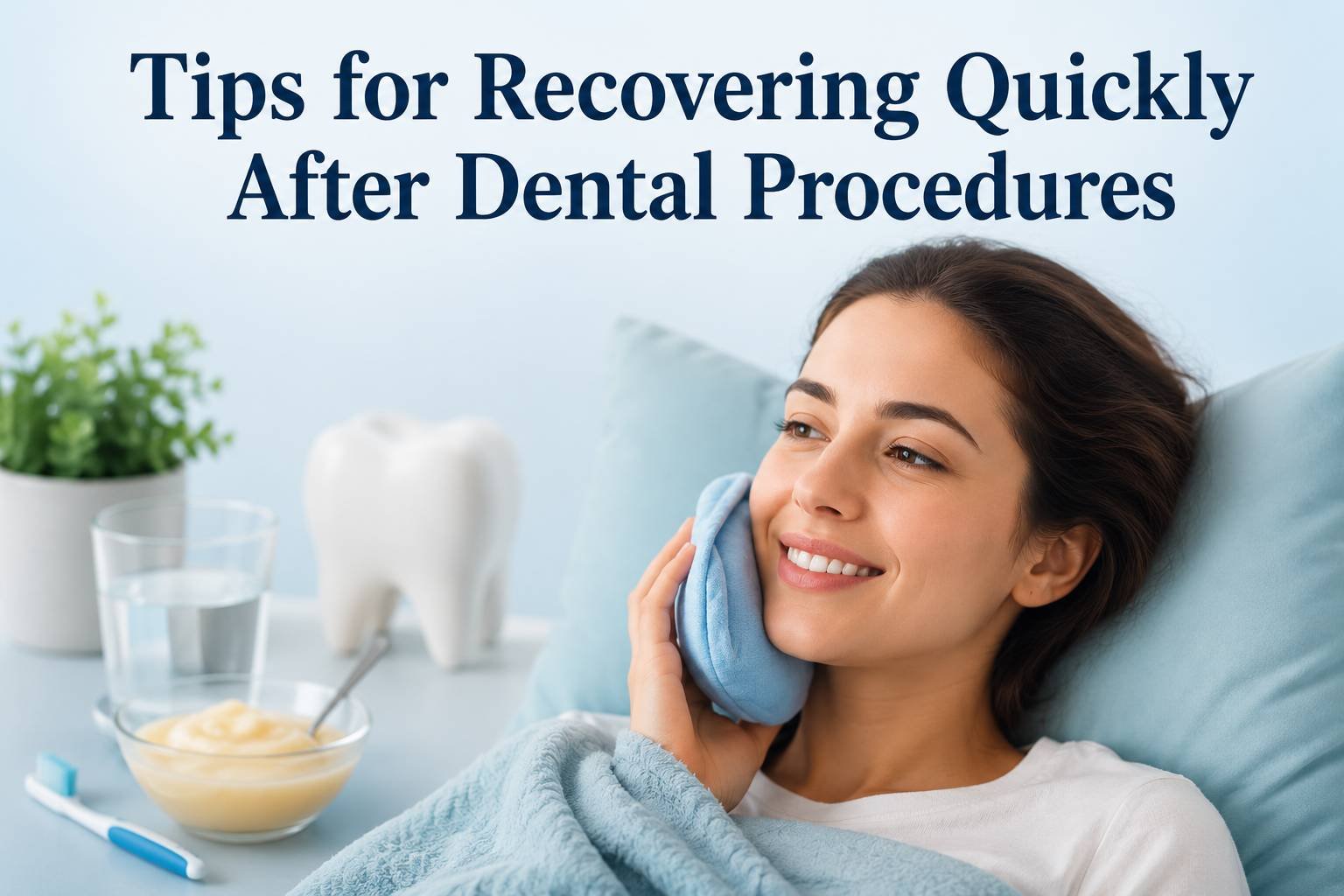
3. Use Ice Packs for Swelling
Swelling is common after procedures like tooth extractions or implants. Applying an ice pack to the outside of your cheek for 15–20 minutes at a time can help reduce inflammation and discomfort, especially during the first 24 hours.
4. Stick to Soft Foods
Your mouth will take time to heal, and so, hard, crunchy, or spicy food should be avoided during the healing period. Rather, select soft foods which can be easily chewed and swallowed, including:
Yogurt
Mashed potatoes
Soup
Smoothies
Scrambled eggs
Oatmeal
Patients visiting a dental clinic near me are usually given dietary guidelines on how to take care of sensitive areas and not to disturb stitches or blood clots.
5. Stay Hydrated
Water consumption supports healing, and also helps to keep your mouth clean. Avoid alcohol, sweetened drinks, and carbonated drinks. If you’ve had a tooth extraction, avoid using straws because suction may dislodge the blood clot and cause dry socket.
6. Practice Soft mouth care.
Keeping your mouth clean is important during recovery. Gently brush and floss around the treated part and rinse with warm salt water when advised by your dentist. Good oral hygiene eliminates bacteria and promotes recovery. If you are not sure about aftercare, go to a reputable dental clinic in near me for guidance.
7. Take Medications as Directed
Use prescribed pain relievers or antibiotics as directed. Missing doses can cause more discomfort or can increase the risk of getting an infection. Never take more than one medication at once without consulting your dentist.
8. Avoid Smoking and Alcohol
Smoking and alcohol may slow down healing and complicate dental treatment. By quitting tobacco products a few days before and after surgery or implants, you can enhance recovery and safeguard your gums. Most dentists in a dental clinic near me highly discourage smoking during recovery.
9. Watch for Warning Signs
Minor pain is normal, but call your dentist in case you experience:
Severe pain after several days
Excessive bleeding
Fever
Persistent swelling
Pus or bad taste in the mouth.
Treatment at the initial stage will help avoid severe complications and provide a more comfortable recovery.
10. Attend Follow-Up Appointments
It is also necessary to have a follow up visit to make sure that your mouth is healing well after treatment. Your dentist can examine any possible signs of infection, remove stitches if needed, and give any other care instructions. Regular appointments to a trusted dental clinic near me can also help to prevent complications and contribute to long-term oral health.
Conclusion
The process of recovering fast in dental procedures takes time, care and healthy practices. Taking little steps can make a huge difference to your healing process, whether it is resting well or following your dentist’s instructions.
Finding the appropriate dental clinic in near me is the initial step towards excellent oral health, but your effort to recover is what guarantees the desired outcome. With these tips, you can reduce pain, heal sooner and return to your usual routine with a healthy smile.
Ready for a healthier smile? Book your appointment today with our experienced dental team!