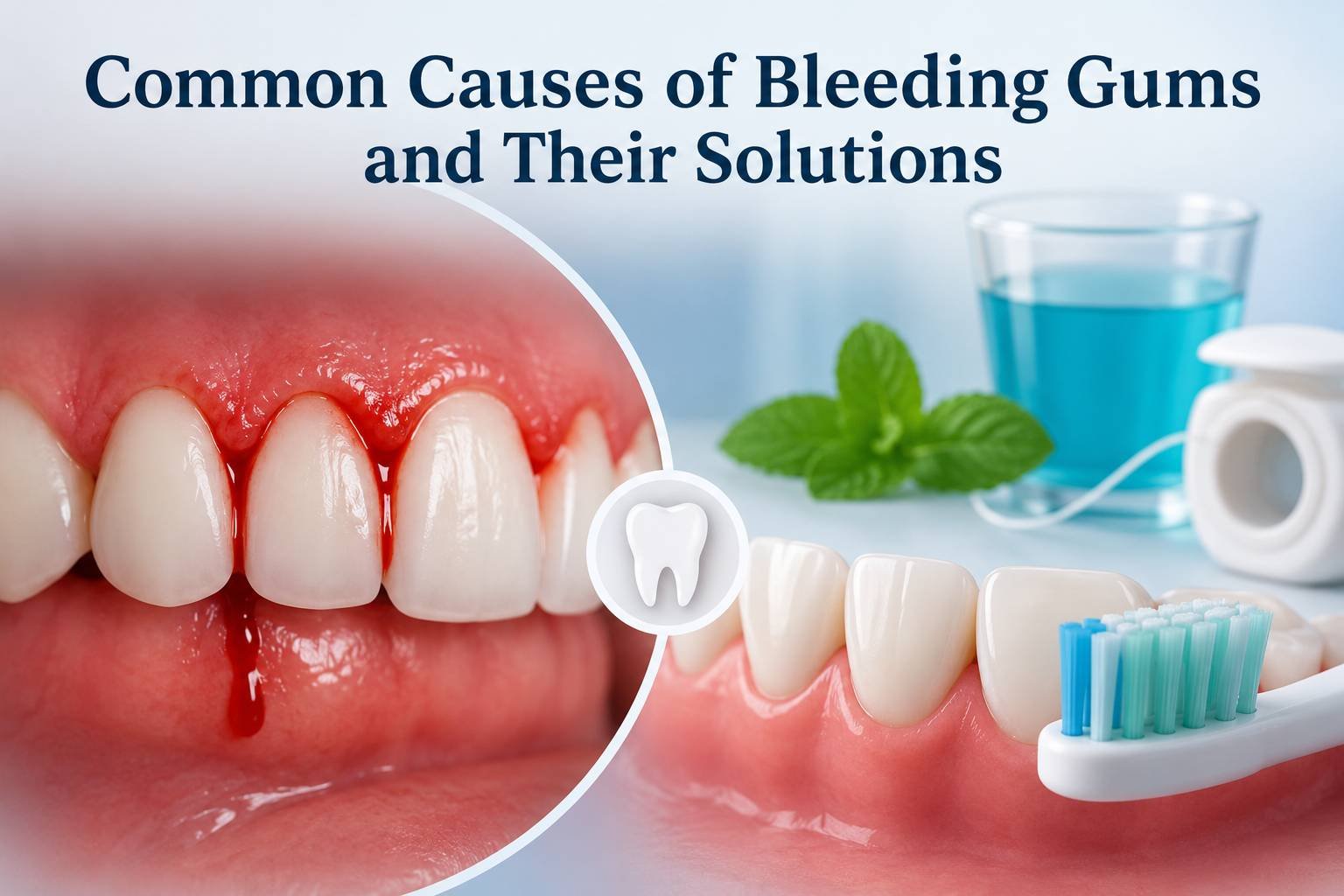
Common Causes of Bleeding Gums and Their Solutions

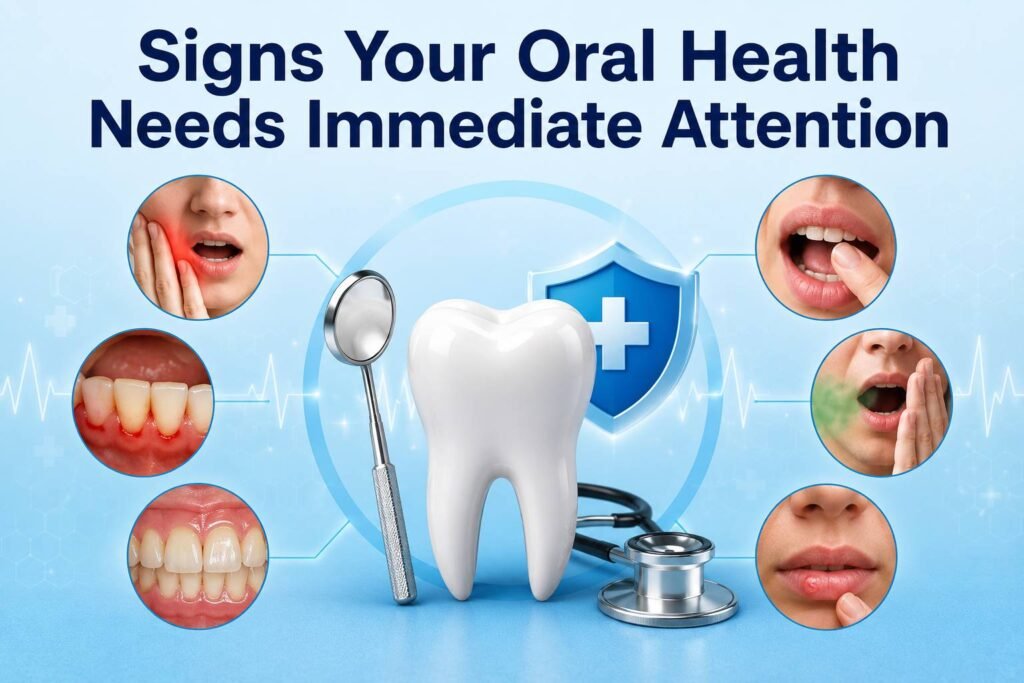
Bleeding gums are one of the most common oral health problems faced by people of all ages. Although occasional bleeding might not be a big issue, it can often be a sign of some underlying dental problems that need to be addressed as soon as possible. Left untreated, bleeding gums may cause serious oral complications, such as gum disease, tooth loss and oral infections. Seeing a dental clinic near me at the right time will help to avoid these complications and ensure healthy teeth and gums.

What Causes Bleeding Gums?

  1. Poor Oral Hygiene

Poor oral hygiene is one of the major reasons that lead to bleeding gums. When the plaque accumulates along the gum, it annoys the gums and leads to inflammation, which is also known as gingivitis. The condition causes the gum to be swollen, tender and bleeding during brushing or flossing.

  1. Gingivitis and Periodontal Disease

The initial stage of gum disease is known as gingivitis. When it is not treated early enough, it may advance to periodontitis which is a severe infection that damages the gums and the supporting bone structures. It includes chronic bleeding, foul breath, gum recessions, and loose teeth.

  1. Brushing Too Hard

It is commonly perceived that hard brushing is more effective for teeth cleaning, however, brushing very hard may damage gum tissues and lead to bleeding. A hard-bristled toothbrush could aggravate the situation.

  1. Vitamin Deficiencies

Lack of vitamins, particularly Vitamin C and Vitamin K, may make the gum tissues weak and prone to bleeding. Ineffective nutrition usually affects general oral health.

  1. Hormonal Changes

The increase in hormones during pregnancy, menstruation, or menopause can turn the gums into hypersensitive and vulnerable to bleeding. Pregnancy gingivitis is especially common among expecting mothers.

  1. Smoking and Tobacco Use

Smoking causes a degradation of the immune system and reduces blood circulation to the gums, making it difficult for the body to fight infections. There is a very high chance of getting gum disease among tobacco users.

  1. Medical Conditions and Medications

Some health issues such as diabetes, leukemia, and blood clotting disorders may contribute to bleeding gums. Also, prescription medication like blood thinners can lead to gum bleeding.

Solution for Bleeding Gums

Healing bleeding gums begins with finding the underlying cause and changing daily oral care routines. The best way to avoid gum problems and keep your mouth healthy is by maintaining oral hygiene.

The following are some of the essential measures to treat and prevent bleeding gums:

  • Brush your teeth twice a day with a soft-bristled toothbrush
  • Floss daily to remove plaque and food particles between teeth
  • Use an antibacterial mouthwash to reduce bacteria buildup
  • Consume a healthy meal rich in vitamins and minerals
  • Avoid smoking and tobacco products
  • Drink plenty of water to maintain oral moisture
  • Get regular dental checkups and professional cleanings

Continuous bleeding gums may also signify some underlying dental issues that may need to be addressed urgently. Early treatment in a reliable dental clinic near me will avoid serious issues of gum disease, lower the risk of oral health, and guarantee healthy gums.

Preventing Bleeding Gums

It is always better to prevent rather than cure. The following are few basic yet helpful tips to keep the gums healthy:

  • Brush and floss daily
  • Use an antibacterial mouthwash
  • Stay hydrated
  • Eat and avoid sugary foods and tobacco products
  • Consume a nutritious diet.
  • Get regular dental checkups.

Frequent visits to a dental clinic near me significantly contribute to the prevention of serious dental problems. Dentists are able to diagnose early signs of a gum disease and offer individualized care to safeguard your mouth.

When Should You See a Dentist?

When your gums are regularly bleeding, swollen, have pain, and bad breath, you need to consult a professional as soon as possible. The postponement of treatment may aggravate the situation and enhance the possibility of losing teeth.

A trusted dental clinic in near me can diagnose the root cause of bleeding gums and recommend effective treatment options. Through proper care, healthy living habits and frequent visits to the dentist, bleeding gums can be successfully treated and help to have a healthier smile and an improved overall well being.

Conclusion

Bleeding gums cannot be overlooked because they usually reflect underlying oral health issues. To avoid severe complications, it is better to follow good hygiene, eat a balanced diet and avoid tobacco products. Visiting a dental clinic in near me will provide professional guidance healthier gums, good teeth, and a confident smile.