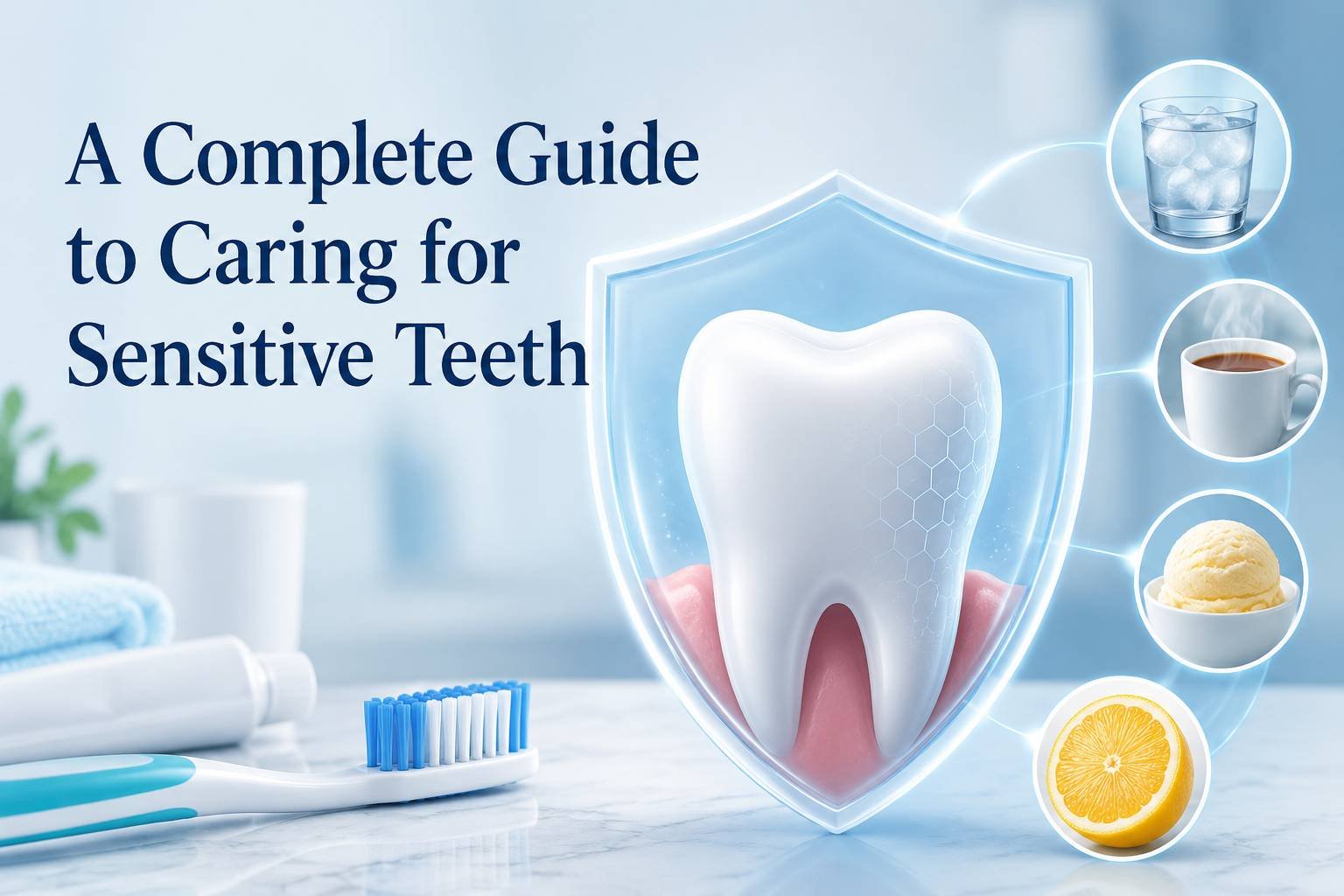
Sensitive teeth can transform a simple indulgence such as sipping a cup of hot coffee or ice cream into a painful experience. Tooth sensitivity is a dental condition that is prevalent among millions of people across the globe. Fortunately, proper treatment and expert advice will help you to reduce pain and protect your oral health.
What Causes Sensitive Teeth?
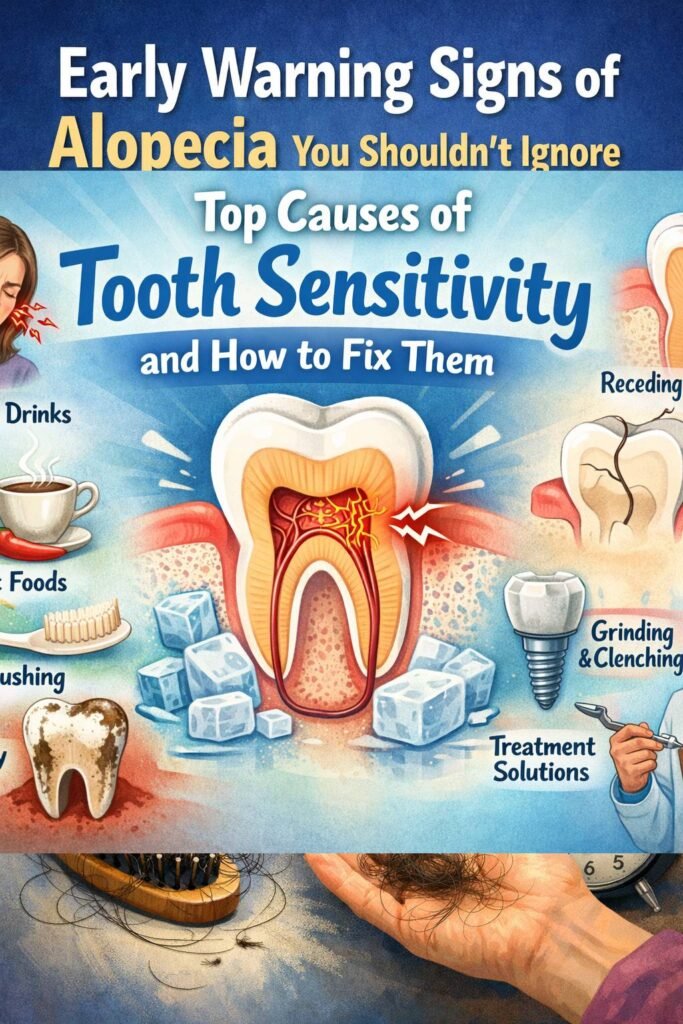
Sensitivity of the teeth is usually experienced after the protective enamel cover wears out or when gums recede, exposing the dentin underneath. Tooths are more sensitive to temperature and to particular foods since dentin has small tubules which lead to the nerves of the tooth.
Sensitive teeth are usually caused by:
Aggressive brushing
Tooth grinding
Gum disease
Cavities
Acidic foods and beverages
Teeth whitening products
Cracked teeth
Poor oral hygiene
If sensitivity persists, visiting a dental clinic in near me can help identify the exact cause and provide proper treatment.
Signs You Should Not Ignore
Sensitive teeth may include symptoms like:
Sharp pain while eating hot or cold foods
Sensitivity to sweet or acidic foods
Pain during brushing or flossing
Persistent sensitivity after exposure to temperature changes
These symptoms should not be ignored as they may aggravate existing dental problems. The first step to avoid long-term damage will be scheduling an appointment in a dental clinic near me.
Daily Care Tips for Sensitive Teeth
Use a Desensitizing Toothpaste
Sensitive toothpaste is specially formulated to prevent the transmission of pain to the nerves. Regular usage for a few weeks can make a big difference.
Brush Gently
Most of the individuals brush excessively, which leads to the erosion of enamel and gum irritation. Clean your teeth with a soft-bristled toothbrush using gentle circular movements without damaging the teeth.
Avoid Acidic Foods
Enamel may be eroded by citrus fruits, sodas, vinegar-containing foods and wine. Limiting these items can help reduce sensitivity and strengthen your teeth.
Maintain Proper Oral Hygiene
Brush twice a day and floss to avoid accumulated plaque as well as gum disease. Lack of oral health may aggravate tooth sensitivity and increase the risk of cavities.
Use a Mouthguard when necessary.
Grinding your teeth when you are asleep, a special mouthguard will save your enamel against overuse. A professional at a dental clinic in near me can recommend the right solution for you.
Professional Treatments for Sensitive Teeth
Fluoride Treatments
Application of fluoride strengthens the weakened enamel and decreases the sensitivity. To provide better protection, dentists use the concentrated fluoride on the vulnerable areas.
Dental Bonding
Dental bonding is applied to the exposed roots of the teeth and enamel surfaces that are damaged. This treatment in itself minimizes nerve exposure and enhances the comfort of the teeth.
Gum Grafting
Gum grafting cures sensitivity caused by receding gums and exposed roots. Gum protection will be achieved by visiting a trusted dental clinic in near me.
Fillings for Cavities
The fillings are used to fix cavities which can cause pain and tooth sensitivity. They rebuild tooth structure and do not allow further decay developments.
Root Canal Treatment
The severe or persistent sensitivity of the tooth requires root canal treatment. The process eliminates affected nerves and relieves deep internal pain.
Best Habits to Prevent Tooth Sensitivity
It is more convenient to prevent sensitive teeth rather than cure advanced dental issues. Follow these healthy habits:
Brush with fluoride toothpaste.
Limit sugary and acidic drinks
Avoid using teeth as tools
Change your toothbrush after every three months
Visit your dentist regularly for checkups and cleanings
Regular dental check-ups will help to identify early stages of enamel erosion or gum recession before they develop into painful conditions.
When to See a Dentist
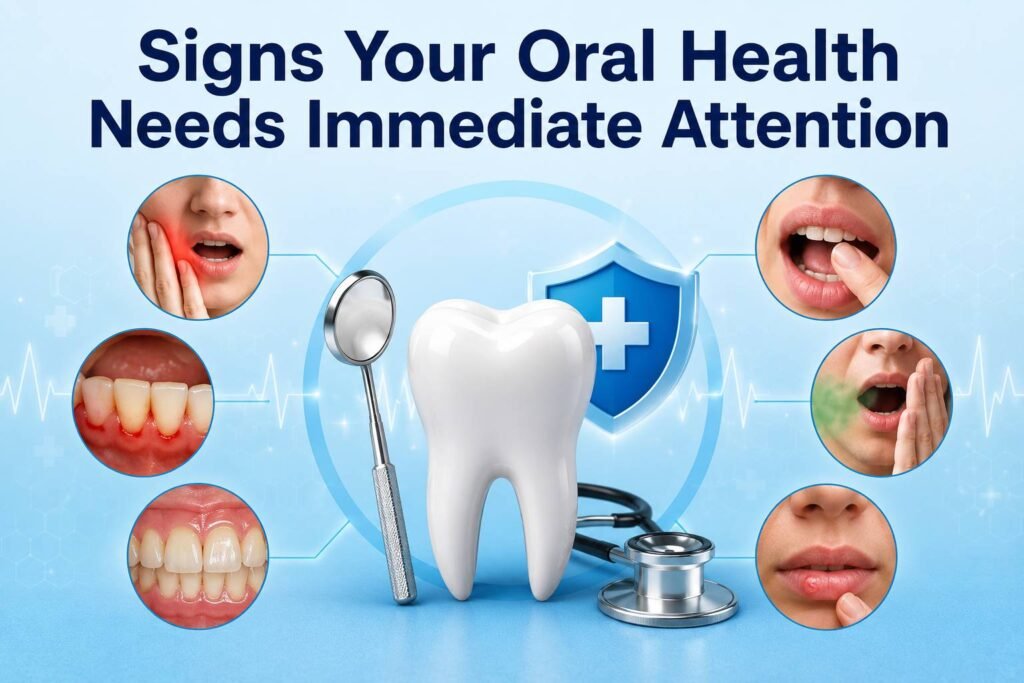
The tooth sensitivity that persists throughout a few days or becomes more painful should not be neglected. Constant pain during consumption of hot, cold, sweet or acidic foods can be a symptom of underlying dental conditions like enamel erosion, cavities, gum recession or infection. When treatment is delayed, it will aggravate the situation and will result in more complicated procedures in the future.
If you experience some swelling, bleeding gums, broken teeth, or pain in your teeth when you chew, it is necessary to seek some professional help as soon as possible. Visiting a trusted dental clinic near me can help identify the exact cause and provide timely treatment to prevent further damage and restore oral comfort.
Conclusion
Sensitive teeth may affect your daily life, but with proper oral health care and early treatment, you will be able to comfortably deal with the pain. By using the right dental products, avoiding harmful habits, and visiting a dental clinic near me regularly, you can protect your teeth and enhance overall oral health in the long term. Never overlook the consistent sensitivity as early care is everything.
Ready for a healthier smile? Book your appointment today with our experienced dental team!