Small dental problems can seem easy to ignore, especially when they cause only mild discomfort or occasional sensitivity. Nevertheless, most of the oral health problems become more complex when they are not treated. Even a small hole may evolve into a more serious decay, a slight inflammation of the gum may turn into periodontal disease, and a small crack may ultimately pose a risk to the whole tooth.
Understanding how these problems progress can encourage better oral hygiene and timely professional care. Routine examinations, monitoring of red flags, and daily routines can help avoid solvable issues to become painful and costly dental crises.
A Small Cavity Can Become Deep Decay
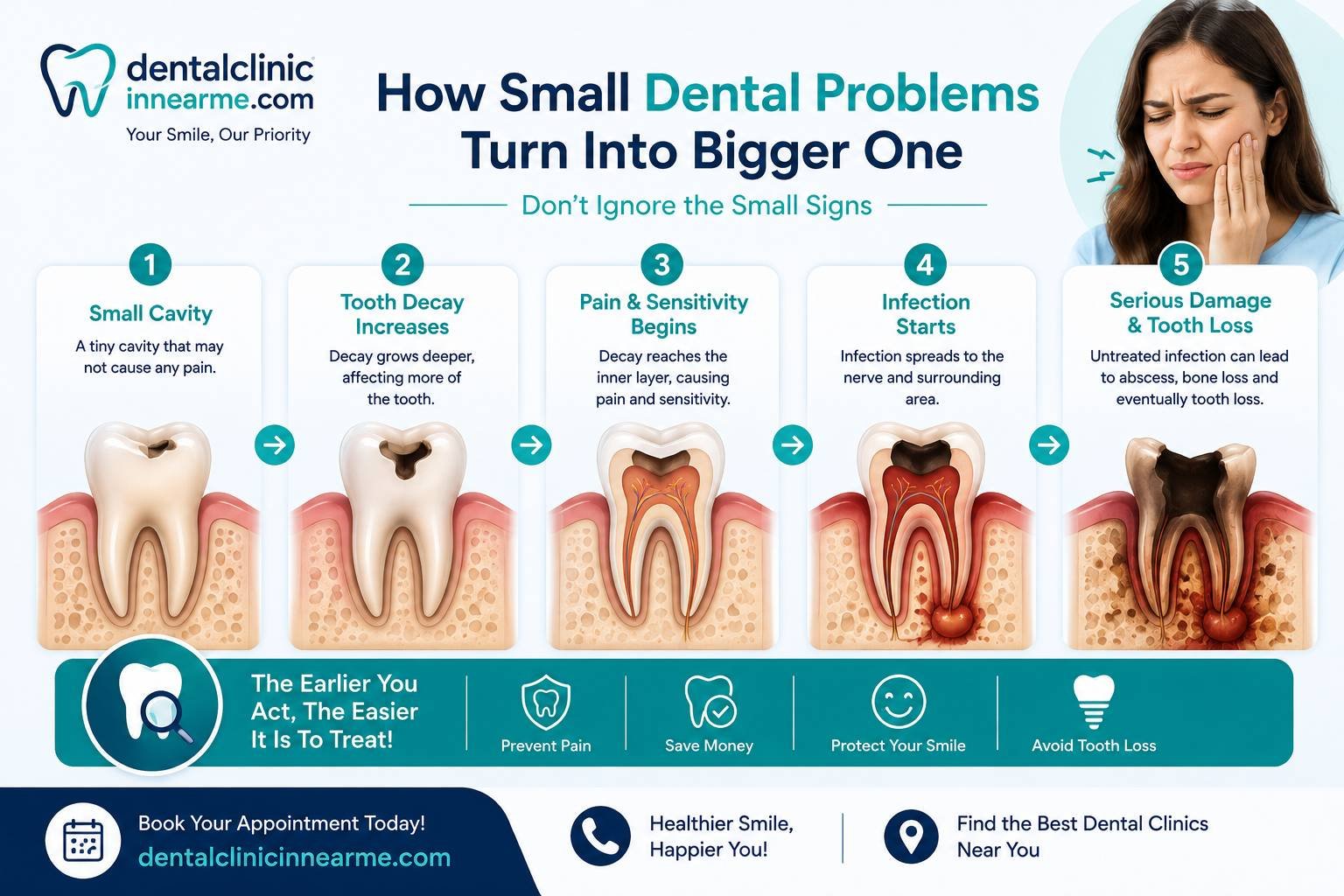
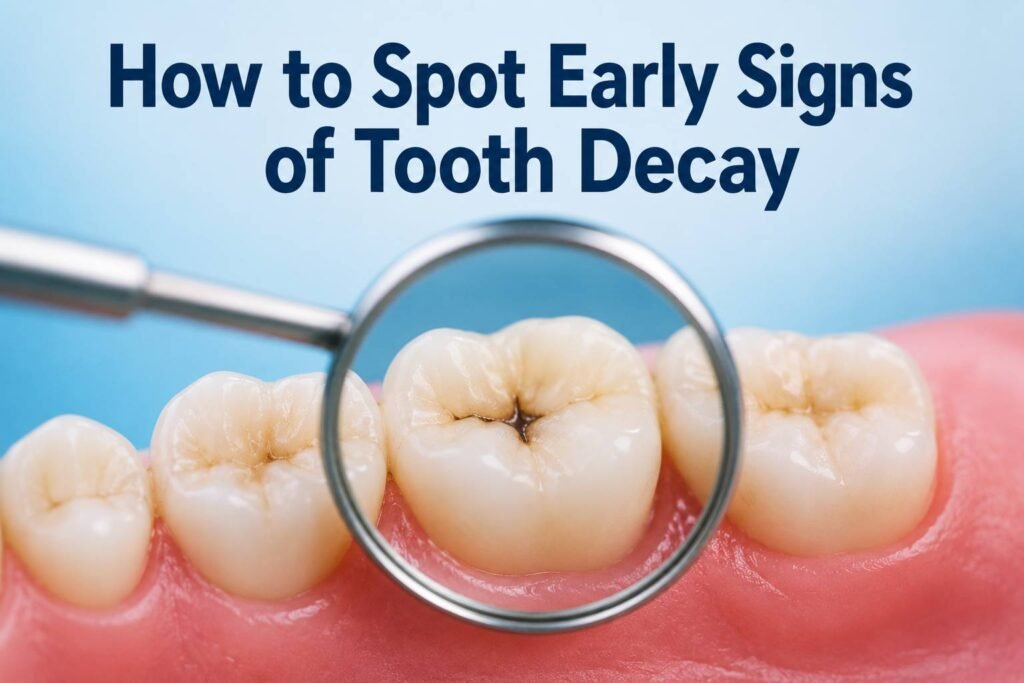
A dental clinic in near me can identify early cavities before they cause significant damage. Tooth decay usually starts when the bacteria in the plaque generate acids that slowly wear down the enamel.
By ignoring early decay, it may travel further into the dentin of the tooth and ultimately to the pulp, where nerves and blood vessels are found. At that point, it might require a bigger filling, root canal therapy, or even extraction rather than a simple preventive procedure.
Mild Gum Bleeding Should Not Be Ignored
Gum bleeding may appear harmless at times, but when it happens frequently, it can be a sign of gingivitis. The accumulation of plaque along the gumline leads to inflammation and may result in the gums being reddened, swollen, or tender.
Inflammation can develop into periodontitis without appropriate treatment. Advanced gum disease can damage the tissues and bone supporting the teeth, increasing the risk of loose teeth and eventual tooth loss.
Tooth Sensitivity Can Signal a Deeper Problem
Hot, cold, sweet, or acidic food sensitivity is usually considered a minor inconvenience. Nevertheless, recurring sensitivity may also be a sign of enamel erosion, exposed tooth roots, tooth decay, or a cracked tooth.
A dental clinic near me can evaluate persistent sensitivity and determine what is causing it. Early treatment of the underlying problem can help avoid additional destruction of enamel and minimize the possibility of more complex dental care in the future.
Small Chips Can Progress Into Cracks
A chipped tooth does not necessarily hurt, but even a minor structural flaw can form a weak point. Chewing pressure can slowly increase the size of the damaged area and ultimately lead to a bigger fracture.
Cracks may permit bacteria to penetrate deeper into the tooth and may be harder to fix. The problem can be prevented by avoiding hard foods and seeking an assessment after observable damage.
Bad Breath Can Point to More Than Poor Hygiene
Chronic bad breath is occasionally addressed merely by using mints or mouthwash. Although some foods may cause temporary odor, persistent bad breath can be linked to plaque formation, periodontal disease, tooth decay, dry mouth, or other oral health issues.
Covering the odor without the actual cause is a way of letting potential issues keep on progressing. Professional examination can assist in the identification of whether persistent odor has anything to do with untreated dental condition.
Delaying Dental Visits Can Hide Progressing Problems
Dental issues do not necessarily hurt instantly. Cavities, gum issues, and other conditions may silently develop and look to be manageable on the surface.
Routine check-ups enable the professionals to detect problems that might not yet present any symptoms. Preventive visits are especially useful since early treatment is usually easier, less invasive, and cheaper than advanced disease treatment.
Poor Oral Hygiene Can Accelerate Damage
Missing a brush or flossing session might not appear to be a big deal, but the lack of regular oral care can enable the plaque to build up. With time, the plaque may become hardened into tartar, which is far more difficult to remove through regular brushing.
A dental clinic nearme can provide professional cleaning and guidance on improving your home-care routine. Eliminating the built-up plaque and tartar can help decrease the chances of cavities, inflammation of the gums, and other oral health issues.
A Loose Filling Can Lead to Further Decay
Dental fillings are meant to replace damaged teeth, however, they may wear out, crack or become loose. Neglecting the changes in an already existing filling may expose a portion of the tooth.
Food and bacteria can enter around a damaged restoration, potentially causing additional decay. Early detection of a loose or broken filling may save more of the natural tooth.
Small Problems Can Become Expensive Problems
The difference in the complexity of treatment is one of the largest reasons why dental issues should be dealt with at an early age. A simple filling may be needed to fill a small cavity, whereas a complex decay might need a root canal and a crown.
Likewise, initial inflammation of the gums may be treated with better hygiene and professional cleaning, but more severe periodontal disease might need more thorough treatment. Timely intervention will save time and money.
Conclusion
Minor dental issues do not just get better by being left unattended. Cavities can deepen, gum inflammation can progress, cracks can expand, and untreated tooth loss can affect surrounding teeth. By being mindful of the changes in your mouth and attending to professional care regularly, you can avoid most minor issues turning into serious complications.
Ready for a healthier smile? Book your appointment today with our experienced dental team!