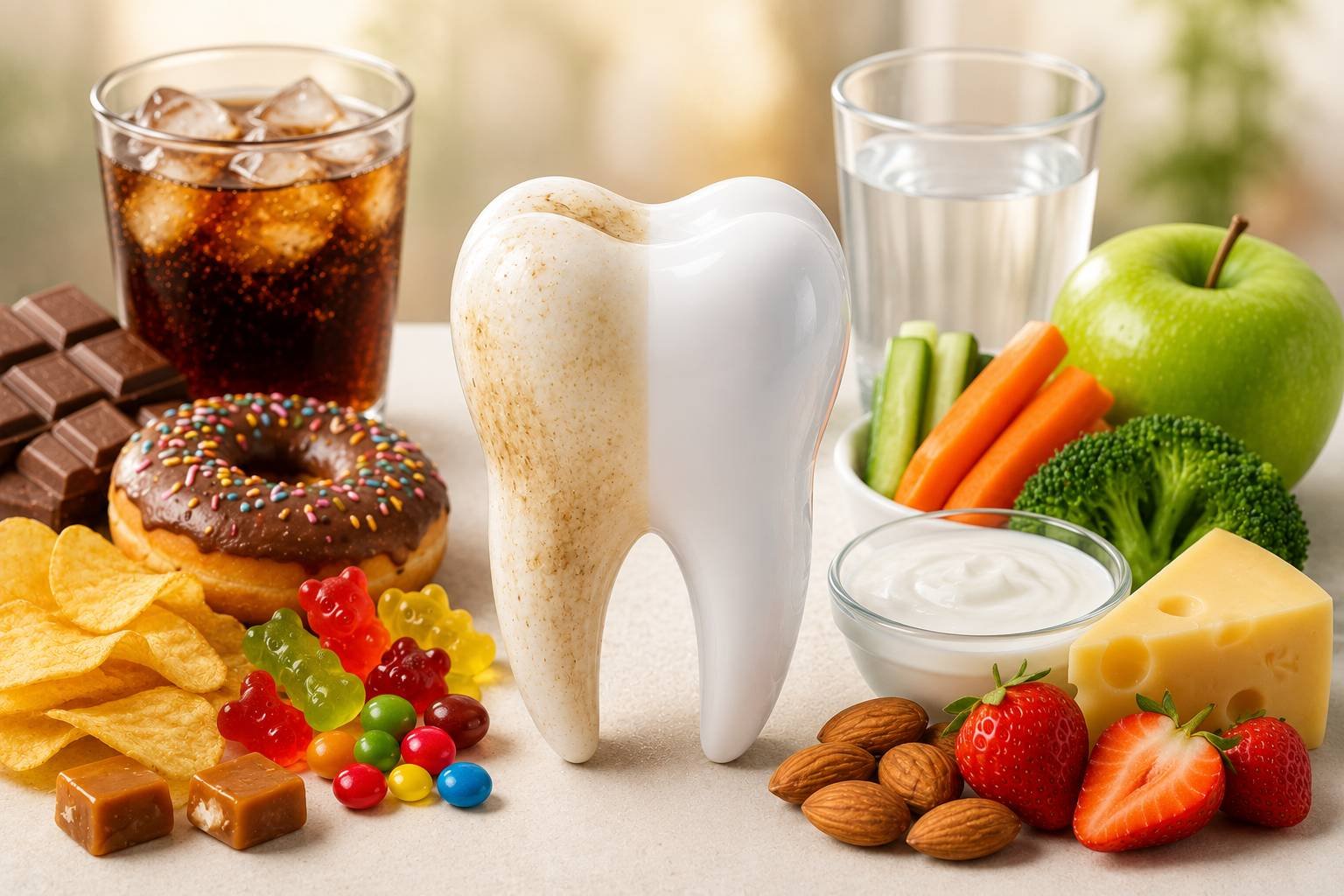
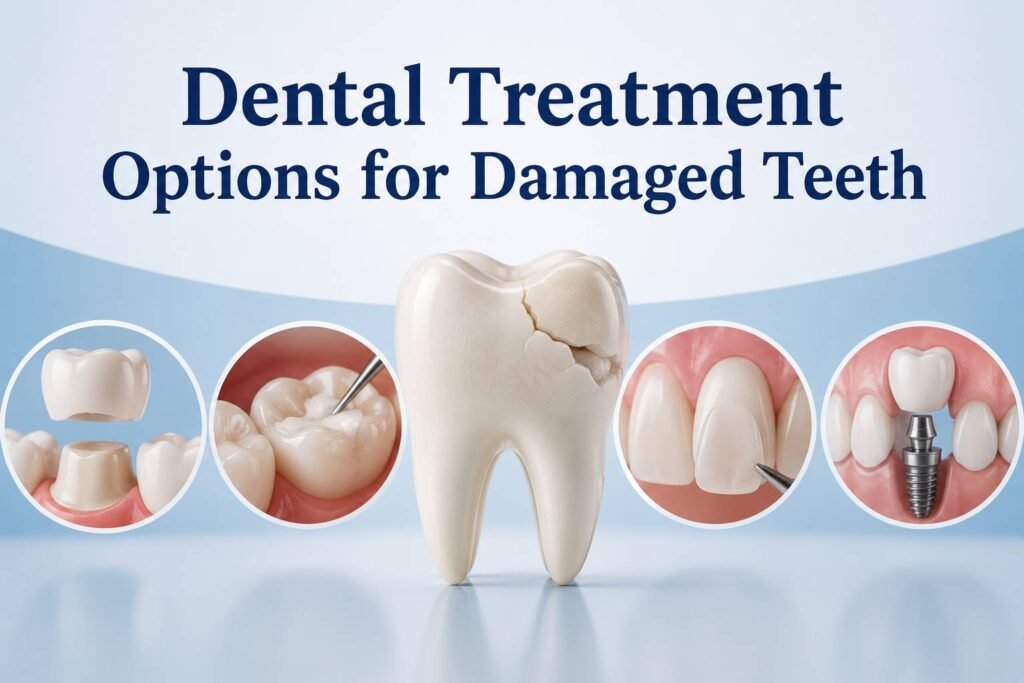
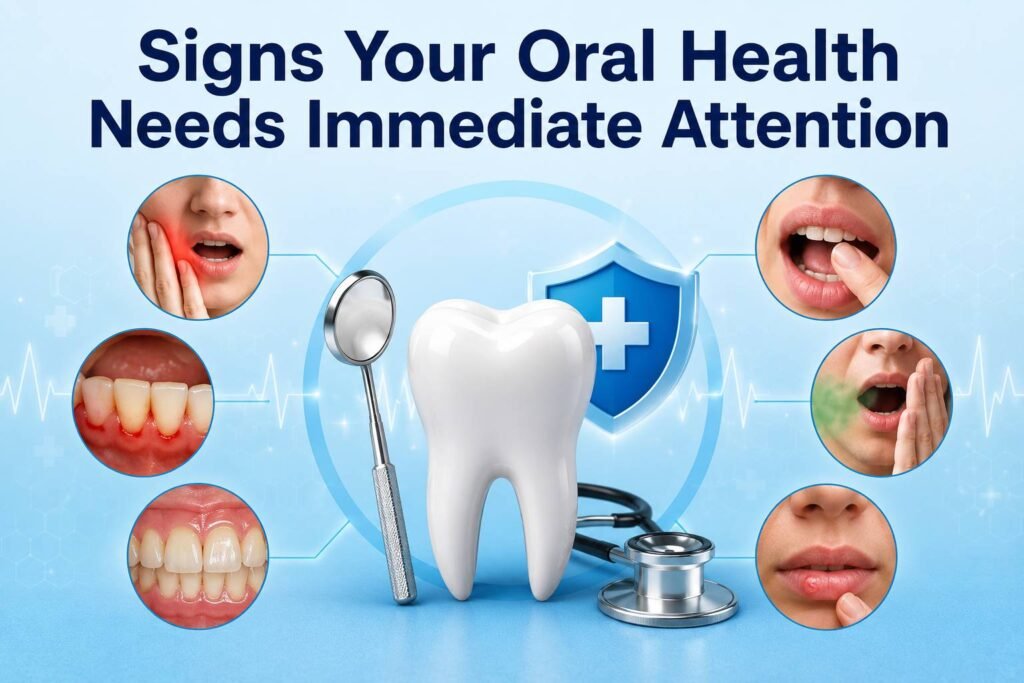
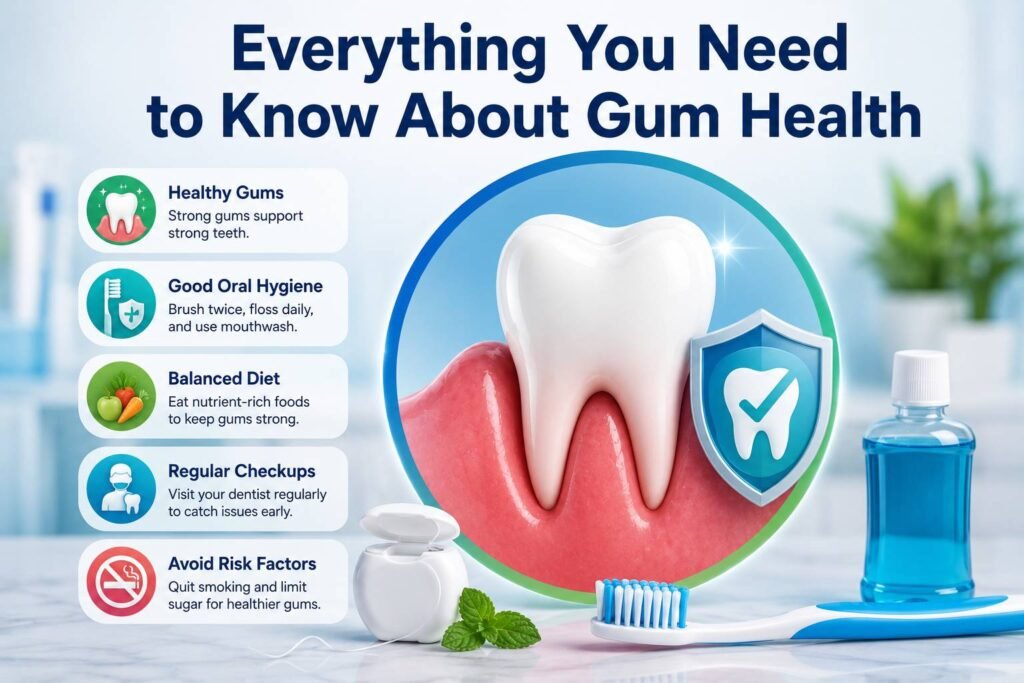
Most people know that candy and sugary drinks can harm their teeth, but many everyday foods can also have a surprising impact on oral health. Certain seemingly healthy foods can lead to erosion of enamel, cavities or gum issues when eaten too often or without proper oral care. Knowing the impact of various foods on your teeth will enable you to make better dietary decisions and save your smile in the long-term.
Eating a balanced diet, brushing, flossing, and frequent dental check-ups are important to keep teeth and gums healthy. Knowing which foods require extra attention can help prevent common dental problems before they develop.
Citrus Fruits Can Weaken Enamel
Visiting a reliable dental clinic near me on a regular basis will be useful in detecting early symptoms of acidic food-induced enamel erosion. Although oranges, lemons, grapefruits and other citrus fruits contain useful vitamins, their natural acids may slowly erode tooth enamel.
Rather than not eating these fruits at all, eat them sparingly and wash your mouth with water. It is also advisable to wait at least 30 minutes before brushing to avoid undue wear on softened enamel.
Dried Fruits Are Stickier Than You Think
Raisins, dates, apricots, and figs are dried fruits that are usually regarded as healthy snacks. Nevertheless, natural sugars stick to the teeth much longer than fresh fruit due to their sticky nature.
These sugars are used by the harmful bacteria to generate acids that can destroy tooth enamel. Consuming water after eating dry fruit and brushing frequently can also aid in preventing cavities.
Bread and Crackers Turn Into Sugar
Not all people know that refined carbohydrates start to decompose into simple sugars immediately when they combine with saliva. Snacks like white bread, crackers, chips, etc. can be easily trapped between teeth.
When seeking a dental clinic in near me, most patients discover that a reduced intake of refined carbohydrates and proper oral hygiene can greatly help in preventing the formation of plaque and dental caries.
Sports and Energy Drinks Can Damage Teeth
Sports drinks and energy drinks usually have high levels of sugar and acids. They are being promoted as performance drinks, but their regular use can lead to the risk of enamel erosion and cavities.
In most cases, water is the most suitable hydration. When you need sports drinks during a vigorous workout, you should rinse your mouth with water to reduce the impact of the sports drinks on your teeth.
Coffee and Tea May Cause Staining
Millions of people are drinking coffee and tea on a daily basis. Although both drinks have positive antioxidants, they may also leave a stain on tooth enamel with time, particularly when taken frequently.
Adding sugar to these drinks further increases the risk of tooth decay. To reduce discoloration, drinking water after every cup and having regular professional cleanings can be beneficial.
Sauces Often Hide Unexpected Sugar
Ketchup, barbecue sauce, pasta sauce, salad dressings, and other condiments can have surprisingly large amounts of added sugar. Regular exposure enables bacteria to generate acids that undermine enamel.
Unnecessary sugar intake can be minimized by reading nutrition labels and selecting lower-sugar options as well as promoting oral health.
Ice Can Be Hard on Teeth
Chewing ice can be considered harmless since it is only water, but it exerts a lot of pressure on teeth. Chips, cracks, or damage to the existing dental restorations may occur due to repeated chewing.
To minimize the chances of emergency dental care, dentists often recommend that patients should not chew hard objects at all.
Carbonated Drinks Increase Acid Exposure
Teeth are exposed to sugar and acid through soft drinks, flavored sparkling drinks and sodas. Sugar-free soft drinks can also be loaded with acids that can weaken the enamel with time.
Many patients visiting a dental clinic near me are surprised to learn that frequent exposure to acidic beverages may gradually increase tooth sensitivity and make teeth more vulnerable to decay. A healthier alternative is to use water or milk more frequently.
Conclusion
Many everyday foods can quietly affect your oral health without causing immediate symptoms. Fruits that are sour, sticky, sweet drinks, refined carbohydrates, and hidden sugars can slowly destroy tooth enamel when taken in large quantities. Luckily, these risks can be greatly decreased with the help of simple lifestyle changes and regular oral hygiene. By making informed dietary choices and scheduling regular dental checkups, you can protect your smile, preserve your natural teeth, and enjoy better oral health for years to come.
Ready for a healthier smile? Book your appointment today with our experienced dental team!