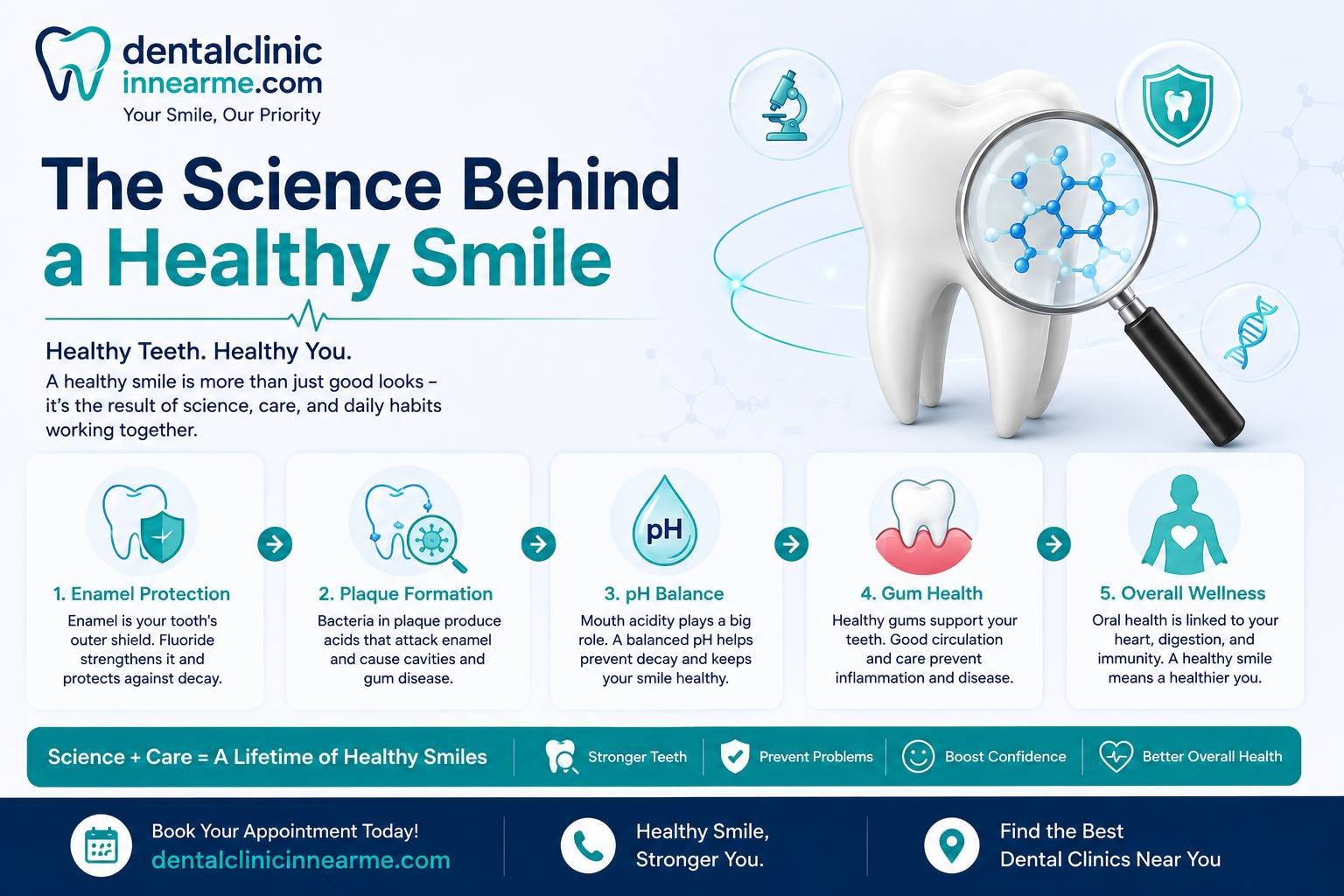
A healthy smile is about much more than having bright or straight teeth. It relies on good enamel, healthy gums, balanced oral bacteria, sufficient saliva, proper nutrition and regular daily care. When you know how these factors interact, it may be easier to develop habits that can help keep your teeth healthy and promote overall oral health.
A smile also reflects what happens beneath the surface. The condition of your gums, the strength of your enamel, and the balance of bacteria in your mouth all contribute to how well your teeth function. Even minor daily choices can thus make a huge impact in the long run.
Healthy Teeth Begin With Strong Enamel
A dental clinic in near me can help monitor enamel health and identify early signs of wear, sensitivity, or decay. The outermost layer of every tooth is known as enamel and it shields the tooth against acids, bacteria, temperature variations and daily chewing stress.
Enamel is one of the hardest substances in the body, but it does not regenerate naturally after being damaged severely. It is possible to preserve this protective layer by limiting the number of acidic foods, sugary beverages, and violent brushing.
Saliva Protects More Than You Think
Saliva is significant in maintaining a healthy mouth. It assists in the removal of food particles, neutralization of acids and supplying minerals that aid enamel. It also facilitates chewing, swallowing and talking.
Saliva production can be decreased by dehydration, some medications, and some health conditions. Adequate consumption of water during the day may aid in normal saliva secretion and contribute to a healthier mouth.
Plaque Is a Constant Threat
Plaque is a sticky film which has bacteria that constantly forms on teeth. When the bacteria react with sugars and carbohydrates, they may produce acids that may weaken enamel over time.
Cleaning between teeth and brushing twice a day will help to remove the plaque before it can cause much harm. Plaque may become hardened into tartar when left unattended and it becomes much more difficult to remove through regular brushing.
Healthy Gums Support Strong Teeth
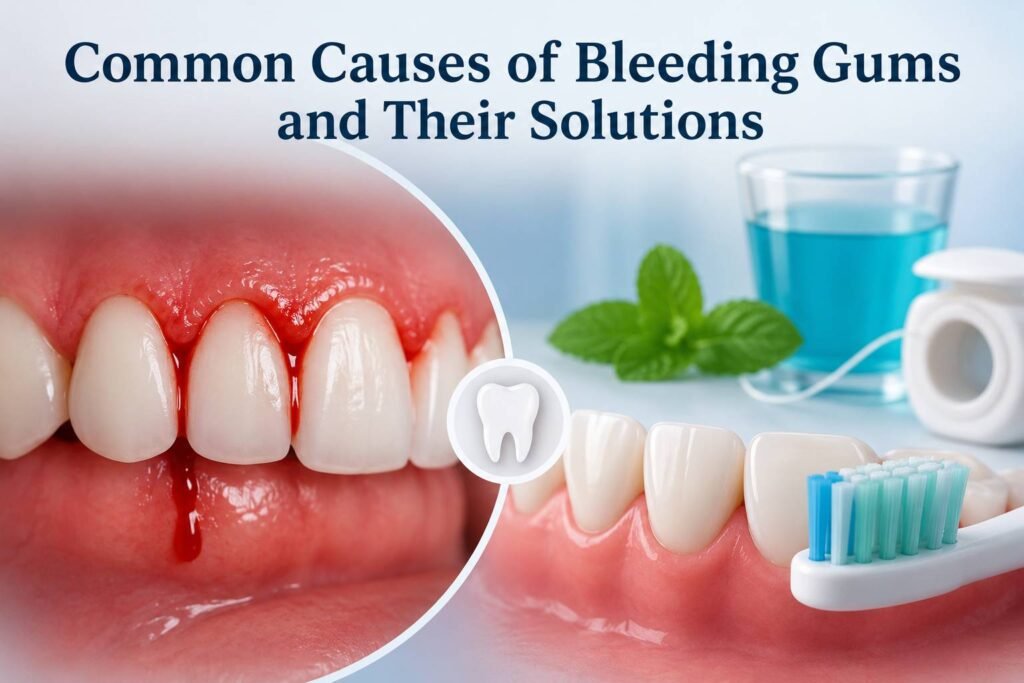
Healthy gums play a crucial role in ensuring that teeth are firmly held in place and the structures around their roots are safeguarded. They are usually supposed to be hard and comfortable as opposed to being constantly swollen or sore.
If bleeding, tenderness, swelling, or recession continues, visiting a dental clinic near me can help identify the underlying cause. Early treatment of gum inflammation can help to prevent more severe periodontal issues.
Nutrition Influences Oral Health
The foods you eat affect the health of your teeth and gums. Calcium and phosphorus help in the formation of teeth, and vitamin C helps in maintaining a healthy gum tissue. A diversified diet also supplies nutrients needed to maintain healthy oral tissues.
Regular intake of sweetened foods and acidic beverages may elevate the chances of cavities and erosion of enamels. Eating healthy foods and consuming water can help maintain healthy teeth.
Your Mouth Has a Microbial Ecosystem
A large number of microorganisms are naturally present in the mouth. Some of them are not harmful, and others may lead to cavities and gum disease when they are excessive.
Frequent brushing, flossing and professional cleaning can assist in controlling plaque and keeping the balance of oral bacteria healthier. Good oral health does not kill all microorganisms; it assists in maintaining dangerous accumulation at bay.
Bite Alignment Affects Function
Your teeth meeting when biting and chewing is also important to a healthy smile. Correct alignment can evenly distribute the pressure and may make chewing more effective.
Overcrowded or misaligned teeth can at times prove harder to clean, and plaque can build up in some places. Orthodontic treatment may enhance appearance and oral function in suitable situations.
Regular Checkups Can Detect Hidden Problems
Not all dental issues are painful. Minor holes, old restorations, early gum disease and enamel changes may at times develop before the symptoms are noticed.
Regular dental checkups enable the professionals to detect these issues at an earlier stage. Professional cleanings and individual recommendations regarding your oral health needs are also offered during preventive visits.
Modern Technology Makes Care More Precise
Dental technology has enhanced the detection and treatment of oral health issues. Digital X-rays, intraoral cameras, sophisticated imaging and enhanced restorative materials enable dental professionals to be more precise.
For patients visiting a dental clinic near me, modern diagnostic tools can make it easier to identify concerns early and explain treatment options clearly. Technology may be used to supplement preventive care by offering more information about the state of the teeth and gums.
Conclusion
A healthy smile is a science that is a blend of biology, nutrition, hygiene, and preventive care. Strong enamel, healthy gums, balanced oral bacteria, sufficient saliva, proper bite function, and regular dental examinations all contribute to lasting oral health. With these factors in mind and daily routines, you can save your natural teeth, keep your gums healthy, and have a stronger and more confident smile in the years ahead.
Ready for a healthier smile? Book your appointment today with our experienced dental team!