Healthy gums are the foundation of a healthy smile. Although most individuals are only concerned with their teeth, gums are also very crucial in maintaining and protecting them. Failing to take care of gum health can cause inflammation, infection, loss of teeth and even overall health. Understanding how to care for your gums and recognizing early warning signs can help prevent serious dental problems in the future.
Most individuals will only start searching for a dental clinic near me once they have bleeding gums or when they have constant pain. Nevertheless, healthy gums can be taken care of by having regular dental checkups and good oral hygiene before the problem arises.
Why Gum Health Matters
Gums ensure that the teeth do not move and guard the roots against bacteria and external injuries. Healthy gums also assist in good chewing, speaking and the general functioning of the mouth.
Inflammation or infection of gum tissue may cause weakening of the structures that hold the teeth. Healthy gums are the key to healthy teeth and avoiding oral complications in the long term.
Common Causes of Gum Disease
Gum disease normally starts with the accumulation of plaque along the gum line. When plaque is not removed by brushing and flossing, it turns into tartar, which forms an environment in which bacteria multiply.
The other causes are smoking, poor diet, diabetes, hormonal fluctuations, some drugs, and poor oral care. By knowing these risk factors, people can take preventive actions.
Early Signs of Unhealthy Gums
Bleeding during brushing or flossing is one of the initial symptoms of gum disease. Gums that are swollen, red, or tender could also be a sign of inflammation, which needs to be addressed.
A dental clinic in near me is able to detect early gum issues before they get serious. Early diagnosis can frequently result in easier treatment and prevent irreversible destruction of the gums and supporting bone.
Understanding Gingivitis
The first stage of gum disease is gingivitis; it is normally brought about by the build up of plaque. At this stage, the gums become inflamed but the damage is generally reversible with proper treatment.
Professional dental cleaning, improved brushing techniques, and consistent flossing can often restore gum health. Neglecting gingivitis can lead to a more severe periodontal disease.
What Is Periodontitis?
Gingivitis, when not treated, can progress into periodontitis, which is a more serious gum disease. Periodontitis involves the tissues and bone that hold the teeth, predisposing the risk of mobility of the teeth and tooth loss.
The reason behind early treatment is that once gum disease has advanced, it may be irreversible. Frequent visits to the dentist can prevent the onset of serious complications.
Daily Habits That Protect Your Gums
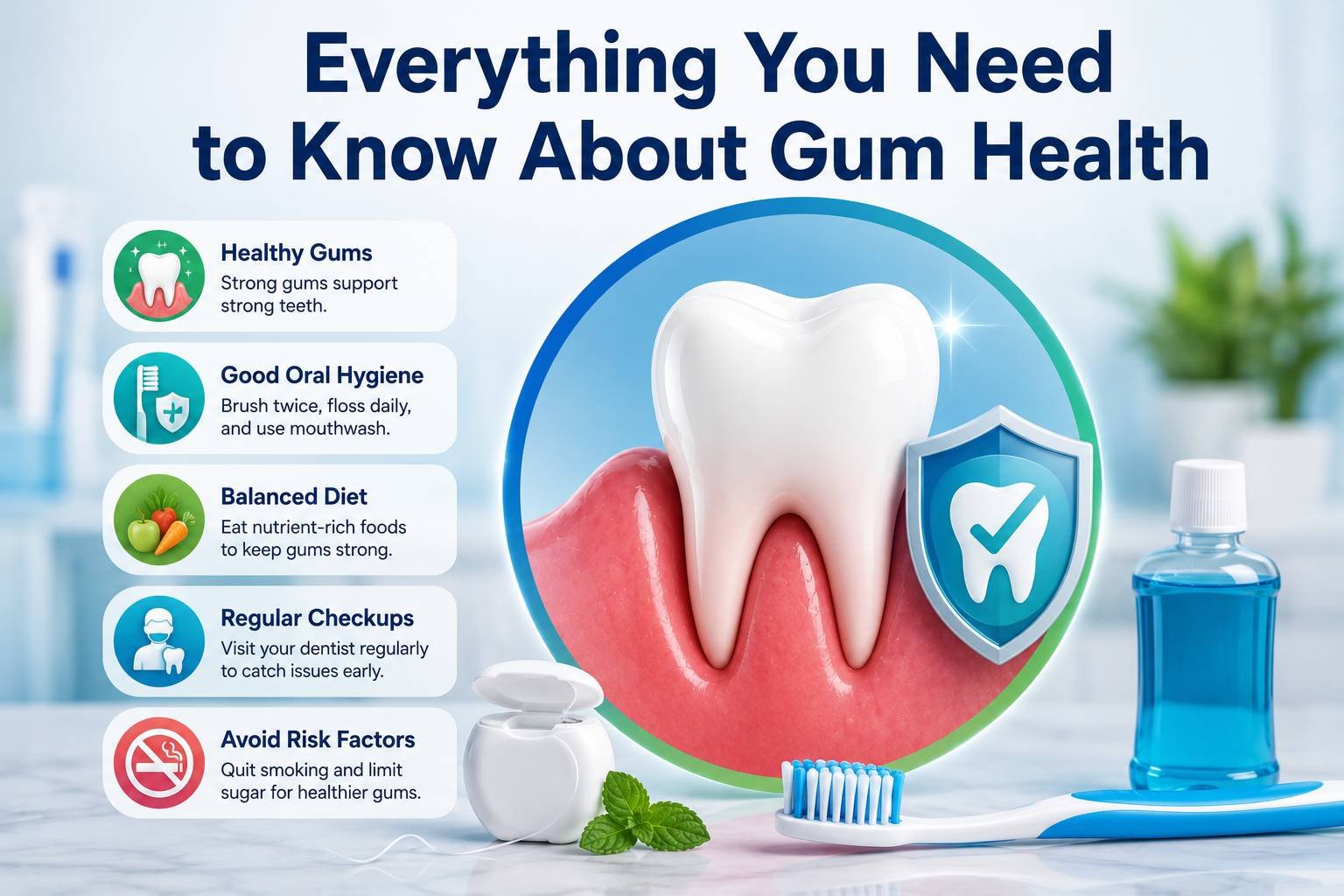
Proper oral hygiene is needed to maintain healthy gums. Daily flossing and brushing the teeth twice a day with fluoride toothpaste can remove plaque and decrease the growth of the bacteria.
It is also advisable that many dentists suggest the use of antibacterial mouthwash and change of toothbrushes after every three or four months. Healthy daily practices are long-lasting preventive measures against gum disease.
The Importance of Professional Dental Cleanings
Despite having good oral hygiene, some plaque becomes hard as tartar which cannot be removed with a brush alone. Professional cleanings help in the removal of tartar and decrease the chances of gum disease.
Many individuals visiting a dental clinic near me undergo routine cleanings that help maintain healthier gums and identify potential issues before they worsen. Prevention helps maintain oral health over time and lessens the necessity of complicated procedures.
Nutrition and Gum Health
A nutritious diet is significant in healthy gums. Antioxidants, vitamins C and D, calcium and vitamins support healthy gum tissue and enhance the body’s natural defenses against infection.
A nutritious diet of fruits, vegetables, dairy products, and lean proteins helps to reduce the amount of sugary foods and promote healthy teeth. Saliva production also aids in the proper hydration, thus, aiding the gums against harmful bacteria.
Lifestyle Choices That Affect Gum Health
Smoking and tobacco use is a major cause of gum disease, as it decreases the blood flow to gum tissue and slows down the healing process. Oral health may also be influenced by excessive alcohol use and uncontrolled stress.
A healthier lifestyle is beneficial as it helps strengthen the gums and enhances the body to combat infections. Minor lifestyle modifications can have long-term positive effects on general dental health.
Conclusion
Healthy gums are essential for maintaining strong teeth and a confident smile. Eating a balanced diet, brushing, flossing and regular dental checkups are all part of healthier gums and long term oral health. If you notice signs such as bleeding, swelling, or persistent discomfort, visiting a trusted dental clinic near me can help you receive timely treatment and protect your oral health for years to come.
Ready for a healthier smile? Book your appointment today with our experienced dental team!