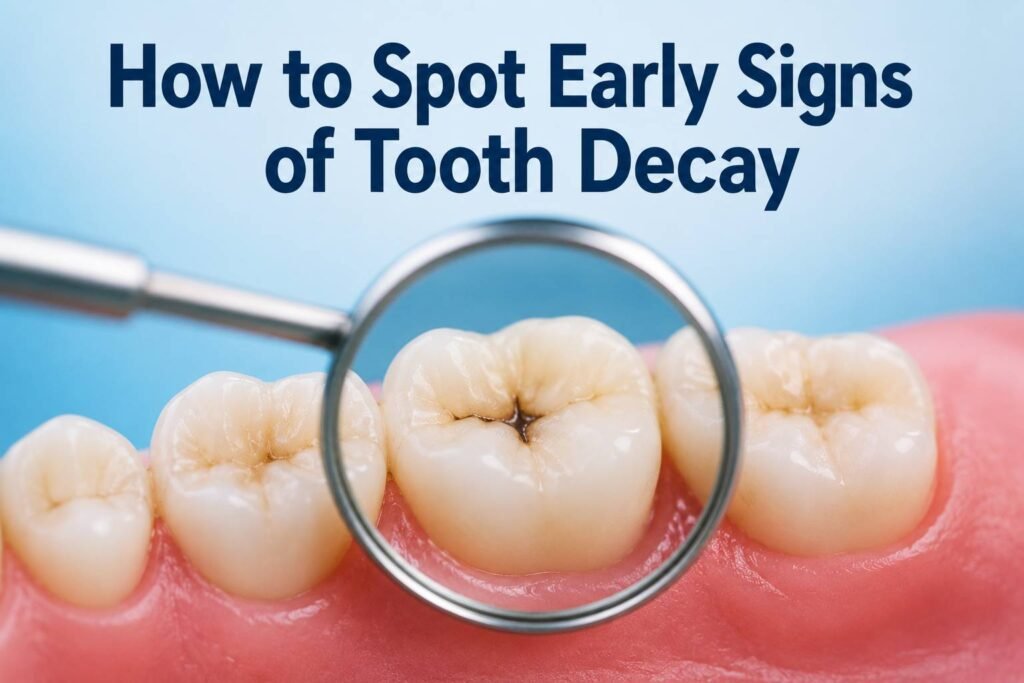
Tooth decay and dental injuries may occasionally reveal or irritate the soft tissue within a tooth, which is the dental pulp. When the pulp is damaged, most people believe that the root canal treatment or tooth extraction is unavoidable. However, certain cases can be treated with a conservative procedure called pulp capping.
If you experience persistent tooth sensitivity or have deep decay, visiting a dental clinic near me can help you understand your treatment options. The purpose of pulp capping is to safeguard the pulp, promote healing, and save the natural tooth where possible.
What Is Pulp Capping?
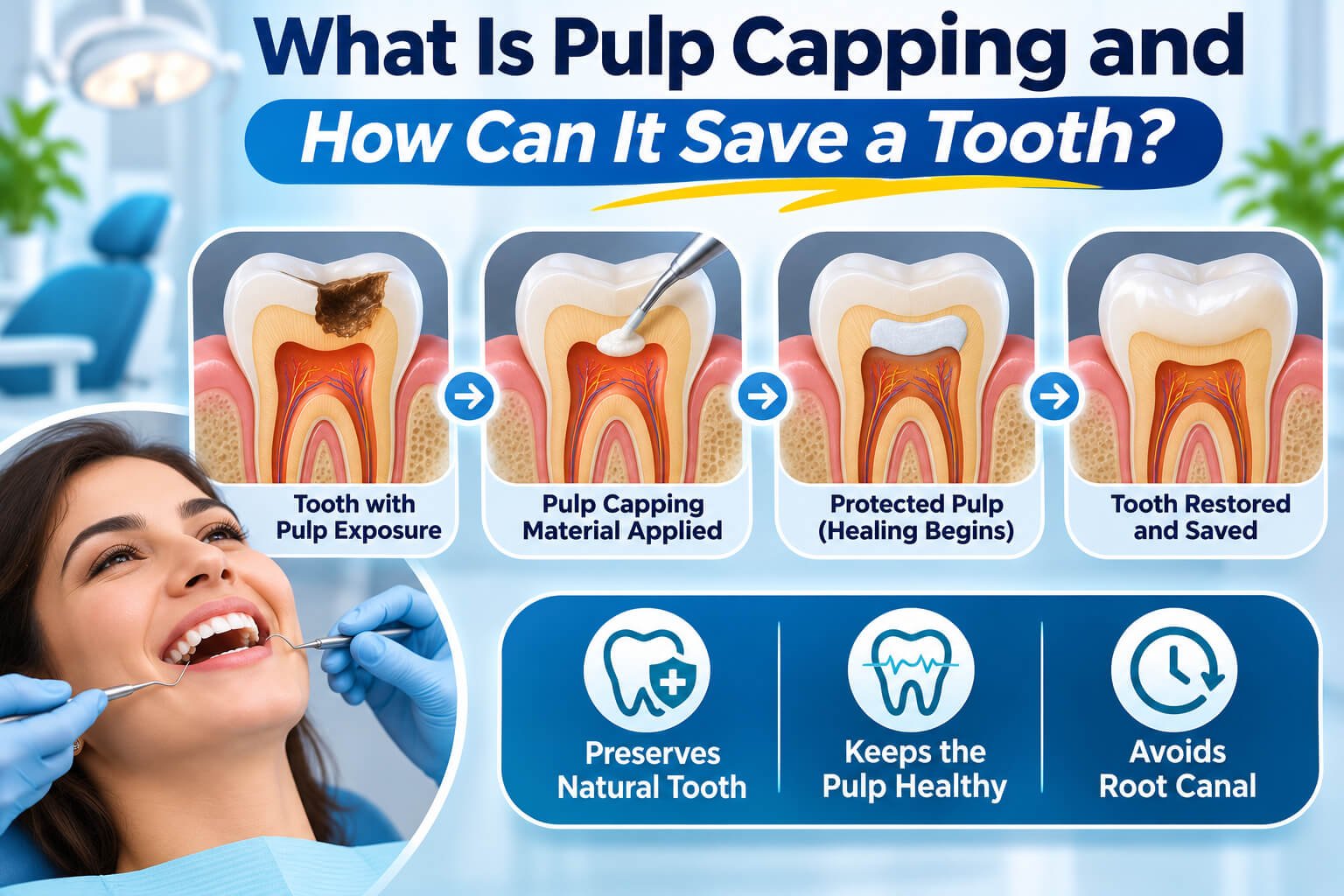
Pulp capping is a dental treatment that covers the dental pulp or a thin layer of dentin that covers the pulp. The material helps protect the pulp from further irritation and supports the formation of a protective barrier.
The pulp of the tooth has nerves, blood vessels and connective tissue that aid in keeping the tooth alive. This tissue can be damaged by deep cavities, accidental exposure during dental treatment, or injuries.
Pulp capping may be suggested by a dentist when the pulp is healthy enough, or has a fair possibility of healing. The process is aimed at saving the tooth instead of extracting the pulp without any necessity.
Types of Pulp Capping
There are two methods that dentists typically employ, based on the exposure of the pulp.
Direct Pulp Capping
Direct pulp capping entails the application of an appropriate protective substance directly on a small portion of exposed pulp. Dentists can take it into consideration when the exposure is minimal and the pulp seems to be healthy enough to heal.
The dentist thoroughly cleans the affected region, manages bleeding, places a biocompatible substance, and seals the tooth with a suitable restoration. Cement materials like calcium silicate can be utilized since they facilitate good healing conditions.
Indirect Pulp Capping
Indirect pulp capping is applied when the decay is close to the pulp but has not reached it. The dentist removes the infected tooth structure without unnecessarily removing dentin near the pulp.
The tooth can then be sealed by placing a protective material over the remaining dentin. This will assist in minimizing irritation and will enable the pulp to be preserved under the restoration.
The decision between these procedures is determined by the state of the tooth, the level of decay, and clinical observations.
How Can Pulp Capping Save a Tooth?
The main aim of pulp capping is to conserve the natural tooth and prevent more comprehensive treatment where possible. By protecting the pulp from bacteria and additional irritation, the procedure can support healing and help maintain the tooth’s vitality.
Retention of the natural tooth may help maintain normal chewing and minimize the necessity of more complicated treatment. Nevertheless, pulp capping is not a sure thing. Root canal treatment might be required in case of severe inflammation or infection of the pulp.
What Happens During the Procedure?
Pulp capping is normally done in a dental office. The procedures will be based on the kind of capping needed and the state of the affected tooth.
The dentist typically examines the tooth, takes X-rays when necessary, and uses local anesthesia to keep the procedure comfortable. Once the decay has been removed or the exposed area prepared, the dentist will apply the protective material and seal the tooth using an appropriate filling or restoration.
Who May Benefit From Pulp Capping?
Pulp capping can be appropriate in selected teeth with deep decay or limited exposure of the pulp when the tissue has a fair likelihood of healing. The process can be discussed in relation to permanent and some primary teeth, depending on the clinical case.
Nevertheless, it might not be suitable in cases of severe infection, widespread pulp destruction, or other indicators that the tissue is not able to heal. After examining the tooth, your dentist will decide on the most appropriate treatment.
When you are looking to find a dental clinic near me, check the qualifications of the provider and inquire whether they provide conservative treatments to save natural teeth.
Recovery and Aftercare
Follow the instructions of your dentist after pulp capping. Do not chew hard food on the treated tooth until the restoration is firm and comfortable. Keep your mouth clean by brushing your teeth twice a day with fluoride toothpaste and flossing.
Some temporary sensitivity may occur, but severe, worsening, or persistent pain should not be ignored. See your dentist in case you experience swelling, persistent pain, or unresponsive sensitivity.
Follow-up is done regularly to detect potential complications. A dental clinic near me can help you arrange an examination and monitor the treated tooth if further care is needed.
Conclusion
Pulp capping is a non-invasive dental treatment that may be used to preserve a natural tooth and protect the dental pulp in appropriate situations. Direct and indirect methods provide alternative methods based on the exposure of the pulp. Consult a qualified dentist to determine whether pulp capping is suitable for your tooth and to understand the alternatives if the pulp cannot heal.
Ready for a healthier smile? Book your appointment today with our experienced dental team!